
Toxic Burden and Our Pets
Posted by Purrfectplay on Oct 07, 2014
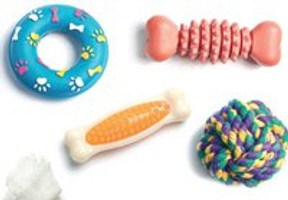
Cats and dogs engage in many behaviors we do not. They clean themselves, using their tongues as washcloths. They eat off the floor. They are petted by guardians whose hands have been busy all day and immersed in who knows what. Their food may come exclusively from cans or plastic lined pouches. They chew on toys which contain plasticizers, heavy metals, and dyes. They sleep on foam beds soaked in flame retardants and protected with stain proofing chemicals. They walk without shoes on lawns and other surfaces which may harbor all kinds of trace chemicals. Basically-- they are nose deep in the big wooly world, chemicals and all.
The Price They Pay: Chemical Burden
Have you ever heard of the Environmental Working Group (EWG)? You can find out much more about them here, but for now just remember they are a not-for-profit research and educational organization concerned about the impact of industrial toxins on the world's health.
EWG recently completed the most expansive investigation ever published for companion animals. They collected blood and urine from 20 dogs and 37 cats in Virginia and put these through extensive testing looking for chemical contaminants. They tested for 70 industrial chemicals and found 48. Of these 48 chemicals, 43 were at levels greater than those typically found in humans-many far greater.
Industrial Chemicals Found
Teflon chemicals: These are compounds developed to provide stain and grease proofing. Likely sources are: the lining of dog food bags, house dust, stain proofed furniture, carpets, and pet beds. Indicated in respiratory problems and cancer.
Phthalates, also known as plastic softeners or plasticizers: Found in plastic containers, plastic toys, plastic water bowls or bottles, shampoos, by products of veterinary medicines, and a large number of consumer products like hand and face cream. It is hard not to think of this when you are petting your cat or dog - perhaps washing your hands before petting is a good idea.
Fire Retardants: These were present at very high levels. They are found in house dust, bedding, furniture, and...pet food. They adversely effect brain development and behavior.
BisPhenol A (BPA): Used in linings of cans and found in many plastics. The longer a liquid sits in a BPA liner the more BPA will leach into the liquid. BPA is a known endocrine disruptor, affecting many aspects of developmental. Researchers have known for years that there is a high correlation between hyperthyroidism and kitties eating canned cat food.
Preventing Toxic Burden in Our Pets
We need information--but information is hard to get. Few studies are being done to explore the effects of environmental toxins on our pets. Most importantly, almost nothing is being done by our government to ensure that pet products are safe and do not contain toxic chemicals. Pet foods do not need pre-market approval by the FDA. If pet foods are not labeled as a medication the ingredients are only given a nod of recognition by the FDA. For example, ethoxyquin is well known to have severe negative effects but nothing significant has been done to limit its use in dog food. The FDA has asked our pet food industry to voluntarily lower its use and to study its effects. Really?!
If it doesn't harm humans, the Consumer Product Safety Commission doesn't do anything either. Simply put, pets are on their own. As we know from recent pet food contamination, this is not a safe situation.
What Can We Do?
Basically we can care. Our pets are sentinels and the toxic burden they carry is a warning. All of Earth's inhabitants are connected. We essentially breathe the same air and swim in the same water. But, caring is a lot harder than it sounds. So much information is hidden or unknown. Science and industry has brought many new, potentially useful, and potentially harmful materials into our lives and into our world.
So....stay informed. Read labels. Express your concerns. Ask lots of questions. Whenever possible use products which come from natural organic sources. This means using ceramic or glass bowls--not plastic and rejecting practices like stain proofing pet beds. Think about the likelihood that something would occur naturally. Obviously a pet bed could never be naturally stain-free (at least not at our house). If it sounds too good to be true-- it probably is.
Write or call suppliers and ask questions. Are your pet food cans lined with BPA containing resins? Are your dog food bags coated with Teflon chemicals? Does your dog bed contain flame retardant? Are your cat beds sprayed with stain proofing? Tell these same suppliers what you want for your pets, and what you don't want. If enough people take action companies will improve their offerings.
Finally, consider joining a local and/or national advocacy group. Working together can be a great way to facilitate change. Pets for the Environment is an interesting new advocacy group that has grown out of EWG's landmark study.